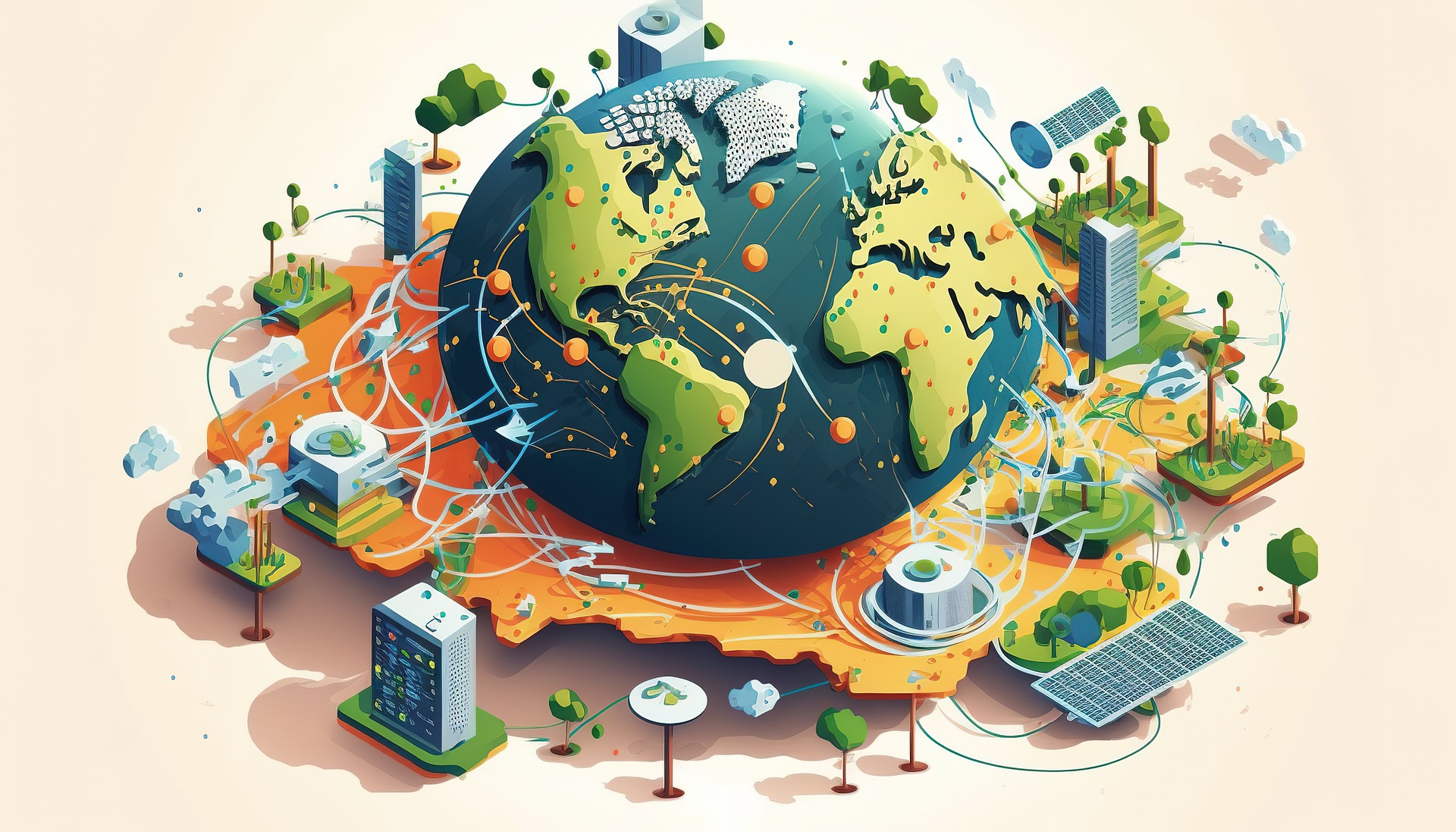
The Internet of Things (IoT) is a rapidly growing technology that connects everyday objects to the internet, allowing them to collect and exchange data. This network of connected devices has the potential to revolutionize the way we live and work, from smart homes to connected cars to intelligent manufacturing. In this article, we’ll explore what IoT is, how it works, and its potential benefits and challenges.
IoT refers to the network of connected devices that can communicate with each other and the internet. These devices can range from simple sensors and appliances to more complex machines and systems. The IoT ecosystem consists of three main components: sensors or devices, network connectivity, and data processing and storage.
Sensors or devices can collect data about their environment or perform tasks, such as turning on a light or adjusting a thermostat. These devices are often equipped with microprocessors, sensors, and wireless communication capabilities.
Network connectivity enables devices to communicate with each other and the internet. IoT devices can connect via a range of protocols, including Wi-Fi, Bluetooth, Zigbee, and cellular networks.
Data processing and storage is the final component of IoT. This involves analyzing and storing the data collected by IoT devices. Cloud computing platforms are often used for this purpose, as they provide the processing power and storage capacity required to handle large amounts of data.
IoT devices collect data using sensors and send it to a cloud-based platform for analysis and storage. This data can then be used to make decisions or automate processes.
For example, a smart thermostat can collect data about the temperature and humidity in a room and adjust the temperature accordingly. A smart refrigerator can keep track of the items inside and alert the user when they are running low on a particular item. A connected car can collect data about its performance and alert the driver when maintenance is required.
IoT has the potential to bring a range of benefits to individuals and organizations alike. Here are some of the main advantages of IoT:
- Increased efficiency and productivity: IoT can help automate processes and reduce manual labor, freeing up time for other tasks.
- Improved decision-making: The data collected by IoT devices can provide insights that can inform better decision-making.
- Cost savings: IoT can help reduce costs by improving efficiency and reducing waste.
- Enhanced safety and security: IoT devices can monitor and alert users to potential dangers, such as gas leaks or fires.
Despite its potential benefits, IoT also presents a range of challenges. Here are some of the main challenges of IoT:
- Security: IoT devices can be vulnerable to hacking and cyberattacks, putting user data at risk.
- Privacy: The data collected by IoT devices can be sensitive and personal, raising concerns about privacy and data protection.
- Interoperability: IoT devices often use different protocols and standards, making it difficult for them to communicate with each other.
- Complexity: The complexity of IoT systems can make them difficult to manage and maintain.
The Internet of Things is a rapidly growing technology that has the potential to revolutionize the way we live and work. IoT devices can automate processes, improve decision-making, and enhance safety and security. However, they also present a range of challenges, including security, privacy, interoperability, and complexity. As IoT continues to evolve, it will be important to address these challenges to ensure that the benefits of IoT are realized while minimizing the risks.